
Biofloc Fish Farming: A Sustainable Revolution
Harness the natural power of heterotrophic bacterial communities. Biofloc Technology (BFT) recycles toxic nitrogenous waste directly into high-protein feed, shrinking production costs, minimizing land footprint, and eliminating waste disposal completely.
What is Biofloc Technology?
Biofloc Technology (BFT) is a cutting-edge aquaculture technique that enhances water quality in fish farming by creating a natural, self-sustaining microbial community directly inside the water.
This community, known as biofloc, consists of heterotrophic bacteria, algae, fungi, protozoa, and suspended organic matter. These microorganisms convert toxic fish excretions, like ammonia and uneaten feed, into protein-rich microbial biomass that the fish can re-consume as nutritious organic food.
How Microbes Recycle Nitrogen
By adding cheap carbohydrates (like molasses or flour), we encourage beneficial heterotrophic bacteria to assimilate toxic ammonia-nitrogen. They convert it into microbial cellular protein, which clumps together into microscopic floc granules that fish can eat.
Key Benefits of BFT
Sustainability First
Minimizes water usage by continuously recycling water, achieving near-zero external environmental discharge.
Superior Cost-Effectiveness
Lowers required commercial feed quantities since fish recycle nitrogen waste into nutritious microbial biomass food.
Enhanced Fish Immunity
Beneficial bacteria colonize fish intestines, acting as custom probiotics that protect against aggressive pathogens.
High Stocking Densities
Supports heavy stocking loads safely, resulting in dramatically increased aquaculture yields per square meter.
Challenges & Critical Considerations
Managing a biofloc system requires a good understanding of water chemistry and microbial dynamics, making proper training essential for farmers. Setup demands highly continuous aeration and specialized monitoring gear. Furthermore, species choice is critical; BFT requires hardy animals like Tilapia, shrimp, and catfish that can tolerate suspended solids and readily ingest floc biomass.
The Future of Biofloc Fish Farming
As the global population grows, the demand for sustainable and resource-efficient food production is soaring. Biofloc technology represents a significant leap forward in this quest. Paving the way for high-yield, low-footprint protein synthesis, BFT is set to become the gold standard of sustainable aquaculture.
14-Day Biofloc Water Culturing Protocol
Follow this protocol step-by-step to establish a rich biological community before releasing fingerlings into high density tanks.
Chlorine Scrub & Pre-Treatment
Fill circular tanks with clean ground or municipal water. Add 15 ppm bleaching powder. Aerate aggressively for 48 hours to fully gasify any residual toxic chlorine.
Mineralization & Salinity
Apply dolomite lime at 150g per 1000L. Add crude sea salt at 2-3 kg per 1000L (2-3 ppt) to optimize shrimp or Tilapia osmoregulation.
Bacillus Culture Activation
In a separate bucket, ferment 10g high-CFU Bacillus, 150g Molasses, and 100g wheat bran in warm aerated water for 12 hours. Pour uniformly into the tank.
Ecosystem Inoculation
Add 10g of molasses per 1000L daily. Keep aeration blowers running at full throttle. Observe the water changing from crystal clear to a golden-brown microbial suspension.
Fingerling Stocking & Acclimation
Once ammonia levels are completely stable near zero and Imhoff settling volume reaches 5 ml/L, safely stock healthy, quarantined fingerlings.
Biofloc Viral Ideas
Explore 20 certified guides, water quality masterclasses, and intensive harvest walk-throughs.

Biofloc Water Preparation & Inoculation Masterclass
Complete guide to preparing carbon source, probiotic inoculation, and maintaining floc volume in tarpaulin biofloc tanks.
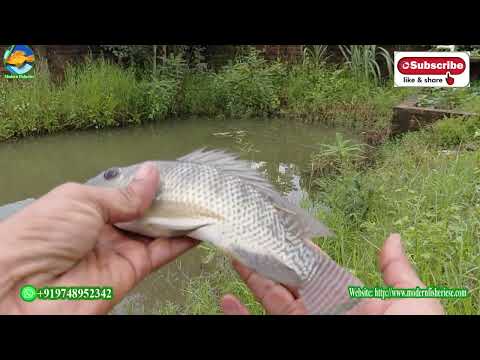
Small Fish Farming - Start Smart, Earn More
Start smart, earn more. Essential small-scale fish farming guidelines, tank setups, feeding cycles, and economic overview for tilapia, catfish, biofloc, and RAS.
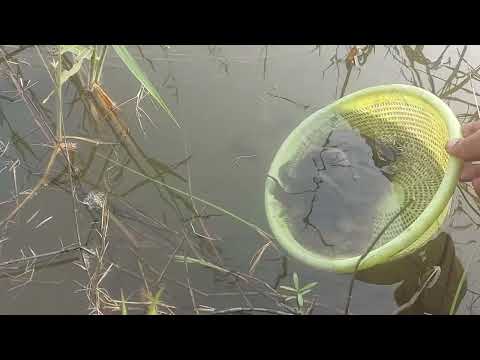
Releasing Catfish into the Pond: Part 2
The second part of our stocking guide: releasing catfish into the earthen pond, acclimatization techniques, and initial feeding behavior.
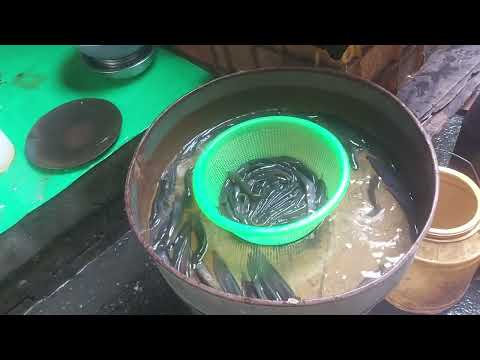
Buying Catfish for Rs. 900/- to Stock in Pond
Buying premium catfish seed for Rs. 900/- and transporting them to our farming pond. Tips on counting, health check, and density calculations.
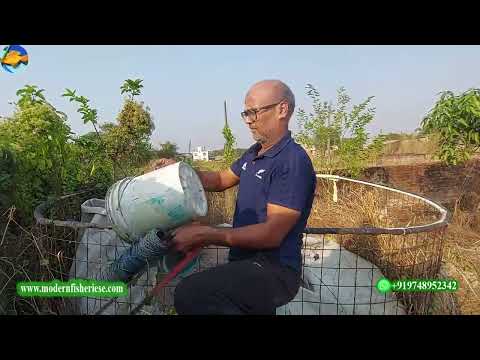
Biofloc Tarpaulin Tank Repair and Reinforcement
How to fix and repair leakages or structural damage in biofloc tarpaulin tanks. Learn how to strengthen the frame with PVC pipes for maximum longevity.
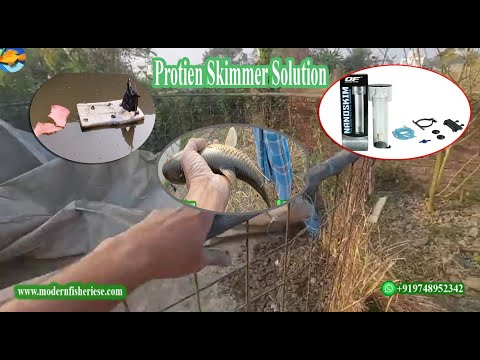
Pond Aeration & Venturi Nozzle Setup Guide
How to assemble and install venturi aeration nozzles in earthen ponds and tank systems to boost dissolved oxygen efficiently.
Pond Water Treatment with Lime & Potassium Permanganate
Dosage calculations for agricultural lime (calcium carbonate) and potassium permanganate for water disinfection and pH stabilization.
Installing Roots Blower & Aeration Grid for Biofloc
Setting up a heavy-duty ring/roots blower with uniseal diffusers and air tubing grid for continuous high-DO aeration in biofloc tanks.
High-Density Biofloc Tilapia Farming: C/N Ratio Masterclass
Learn how to maintain perfect 15:1 Carbon-Nitrogen ratio using molasses and probiotic inoculants for zero-water-exchange biofloc tanks.

High Oxygen Dissolution with Venturi & Pure Oxygen Injection
Boosting dissolved oxygen levels above 8 mg/L using venturi injectors and oxygen generators for super-intensive fish culture.
Biofloc Water Preparation & Inoculation Masterclass
Complete guide to preparing carbon source, probiotic inoculation, and maintaining floc volume in tarpaulin biofloc tanks.
Small Fish Farming - Start Smart, Earn More
Start smart, earn more. Essential small-scale fish farming guidelines, tank setups, feeding cycles, and economic overview for tilapia, catfish, biofloc, and RAS.
Releasing Catfish into the Pond: Part 2
The second part of our stocking guide: releasing catfish into the earthen pond, acclimatization techniques, and initial feeding behavior.
Buying Catfish for Rs. 900/- to Stock in Pond
Buying premium catfish seed for Rs. 900/- and transporting them to our farming pond. Tips on counting, health check, and density calculations.
Biofloc Tarpaulin Tank Repair and Reinforcement
How to fix and repair leakages or structural damage in biofloc tarpaulin tanks. Learn how to strengthen the frame with PVC pipes for maximum longevity.
Pond Aeration & Venturi Nozzle Setup Guide
How to assemble and install venturi aeration nozzles in earthen ponds and tank systems to boost dissolved oxygen efficiently.
Pond Water Treatment with Lime & Potassium Permanganate
Dosage calculations for agricultural lime (calcium carbonate) and potassium permanganate for water disinfection and pH stabilization.
Installing Roots Blower & Aeration Grid for Biofloc
Setting up a heavy-duty ring/roots blower with uniseal diffusers and air tubing grid for continuous high-DO aeration in biofloc tanks.
High-Density Biofloc Tilapia Farming: C/N Ratio Masterclass
Learn how to maintain perfect 15:1 Carbon-Nitrogen ratio using molasses and probiotic inoculants for zero-water-exchange biofloc tanks.
High Oxygen Dissolution with Venturi & Pure Oxygen Injection
Boosting dissolved oxygen levels above 8 mg/L using venturi injectors and oxygen generators for super-intensive fish culture.