Aquaculture Disease & Diagnostics Manual
Professional protocol for identifying, containing, and treating parasitic, bacterial, fungal, and viral infections in freshwater and marine systems.
Ich (White Spot Disease)
Pathological classification: Ichthyophthirius multifiliis
The single most widespread parasite in freshwater aquaculture. It burrows under the skin of the fish, forming visible salt-like white cysts. Highly contagious and causes severe skin irritation and respiratory distress.
Visible Symptoms (Diagnostics)
- •Small white spots (size of salt grains) on fins and body
- •Fish rubbing/flashing against pond walls or bottom
- •Clamped fins and lethargic swimming
- •Gasping for air at the water surface due to gill damage
Most Prone Fish & Stock
Fishes listed are highly susceptible to spawning or structural mortality if exposed to this pathogen.
Biosecurity Action Plan & Treatments
- ✓Quarantine all new fingerlings for at least 10 days before stocking.
- ✓Maintain water temperature stability; rapid drops trigger Ich spore release.
- ✓Maintain stable organic loads and avoid overcrowding stress.
- !Raise pond water temperature above 30°C if the fish species permits (speeds up the parasite lifecycle).
- !Add non-iodized salt (NaCl) at 3-5 kg per 1000 liters (3-5 ppt salinity) for 7-10 days.
- !In commercial tanks, apply formalin-malachite green solution strictly according to volume.
Critical Fish Disease & Treatment Guides
Watch expert tutorials on diagnosing infections, Potassium Permanganate dips, salt baths, and biosecurity protocols.
Treating Critical Fish Diseases & Parasite Infections in Ponds
Step-by-step masterclass on diagnosing and treating severe fish diseases, gill flukes, Ich, and bacterial septicemia under field conditions.
Potassium Permanganate (KMnO4) & Salt Dip Treatment Guide
Learn safe dosage calculations and dip treatment protocols for Potassium Permanganate and non-iodized salt to burn off external parasites.
How to Control Fin Rot, Tail Rot, and Red Spot Bacteria in Fish
Diagnostic symptoms of Aeromonas bacterial infections and antibiotic feed dressing methods (Oxytetracycline) for commercial ponds.
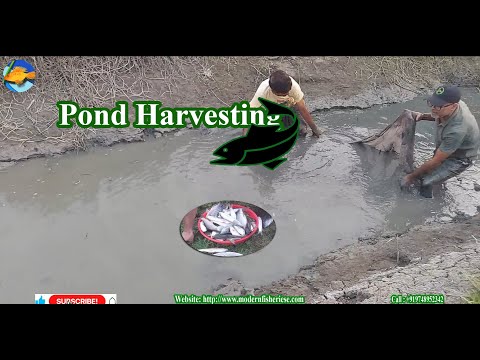
Pond Water Disinfection with Lime & Potassium Permanganate
Disinfecting infected pond water, balancing alkalinity, and preventing pathogen spikes during seasonal temperature changes.
Identifying Fungal Cotton Wool (Saprolegnia) & Gill Rot Early
Early detection methods for fungal Saprolegnia outbreaks in cold weather and emergency bath treatments.
Biosecurity Protocol & Quarantine Tank Setup for Fingerlings
3-step quarantine routine for new seeds to prevent introducing viral or parasitic pathogens into established RAS or biofloc systems.
Treating Critical Fish Diseases & Parasite Infections in Ponds
Step-by-step masterclass on diagnosing and treating severe fish diseases, gill flukes, Ich, and bacterial septicemia under field conditions.
Potassium Permanganate (KMnO4) & Salt Dip Treatment Guide
Learn safe dosage calculations and dip treatment protocols for Potassium Permanganate and non-iodized salt to burn off external parasites.
How to Control Fin Rot, Tail Rot, and Red Spot Bacteria in Fish
Diagnostic symptoms of Aeromonas bacterial infections and antibiotic feed dressing methods (Oxytetracycline) for commercial ponds.
Pond Water Disinfection with Lime & Potassium Permanganate
Disinfecting infected pond water, balancing alkalinity, and preventing pathogen spikes during seasonal temperature changes.
Identifying Fungal Cotton Wool (Saprolegnia) & Gill Rot Early
Early detection methods for fungal Saprolegnia outbreaks in cold weather and emergency bath treatments.
Biosecurity Protocol & Quarantine Tank Setup for Fingerlings
3-step quarantine routine for new seeds to prevent introducing viral or parasitic pathogens into established RAS or biofloc systems.