Recirculating Aquaculture Systems (RAS)
As global demand for seafood rises, traditional open farming is hitting limits. Discover the science of RAS—the revolutionary technology-driven method that recycles up to 99% of culture water in a closed loop, ensuring biosecurity, explosive yields, and absolute sustainability.
Sustainable Fish Farming in a Controlled Environment
Traditional aquaculture methods (open-net marine cages or vast outdoor dirt ponds) are being pushed to their environmental limits. Concerns about wild stock overfishing, massive effluent pollution, diseases, and rapid climate changes have turned standard fisheries high-risk.
What is a Recirculating Aquaculture System? A technology-driven method of farming aquatic species in a closed, completely controlled land-based environment. Rather than continuously flushing fresh water, RAS filters and recirculates the same volume of water. It is clean, bio-secured, highly dense, and uses up to 95% to 99% less water than outdoor ponds.
High density FRP tanks paired with central bottom sediment flushing pipes.
Key Advantages of RAS
Why modern commercial entrepreneurs are shifting away from traditional ponds to recirculating loops.
Unmatched Water Sustainability
RAS is highly efficient, recycling up to 99% of the culture water in the system. Solid wastes are flushed out, and the water is continuously biologically processed. It is ideal for regions with strict water extraction limits or seasonal droughts.
Absolute Environmental Protection
Operating in a land-based closed system minimizes the risk of direct environmental contamination, effluent pollution, and pathogen outbreaks. It completely eliminates disease transmission risks to local wild marine populations.
Space & Logistics Efficiency
RAS doesn't need to be placed near natural rivers or seas. It can be built anywhere, including arid regions and industrial zones near metropolitan consumer markets, greatly slashing cold-chain transportation carbon footprints.
Supercharged Stocking Densities
With 24/7 liquid oxygenation and mechanical solids scrubbing, farmers can load fish up to 40-120 kg per cubic meter. That is up to 10 to 15 times higher than standard extensive ponds!
Precision Control & Forecasting
Because every environmental variable (temperature, dissolved oxygen, pH, salinity, feeding) is actively tracked and controlled inside a building, growth curves are incredibly predictable and feed conversion ratios (FCR) stay optimal.
Critical Challenges & Capital
RAS demands heavy initial capital, continuous electricity for high-volume pumping, and specialized biological training. Lapses in oxygenation can result in catastrophic biomass crashes in under 45 minutes without back-ups.
Ready to study the core mechanics of water purification?
Explore our interactive mechanical, chemical, and biological filtration flowchart.
Recirculating Aquaculture (RAS) Viral Ideas
Explore 20 viral ideas, farm walk-throughs, and biological filtration science.
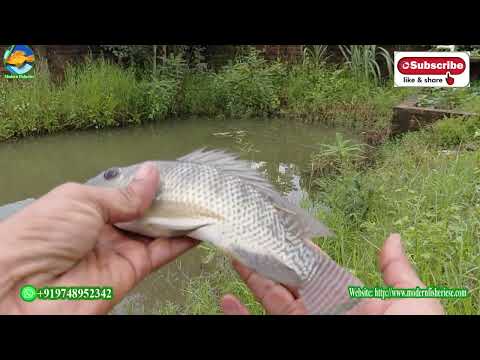
Small Fish Farming - Start Smart, Earn More
Start smart, earn more. Essential small-scale fish farming guidelines, tank setups, feeding cycles, and economic overview for tilapia, catfish, biofloc, and RAS.
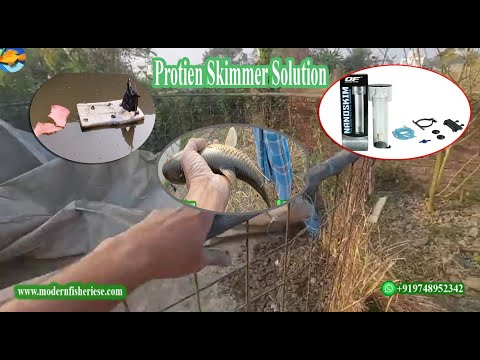
Protein Skimmer in RAS: Essential for Clean Water
Why a protein skimmer is essential in recirculating aquaculture systems (RAS). Understand how dissolved organic solids are removed to secure clean water and healthy fish.
Releasing Catfish into the Pond: Part 2
The second part of our stocking guide: releasing catfish into the earthen pond, acclimatization techniques, and initial feeding behavior.
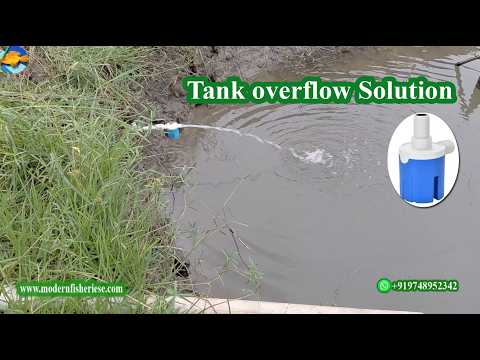
Water Overflow Solutions for House/RAS Tanks
Detailed engineering and practical piping layout solutions to handle water overflow issues in backyard house tanks or RAS fish farming systems.
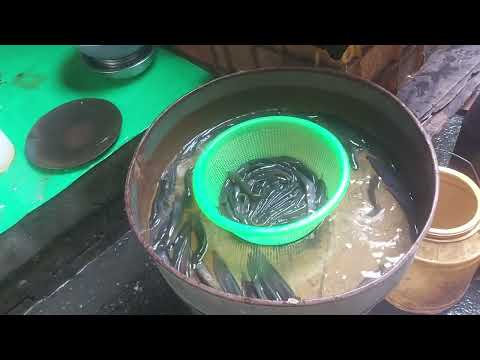
Buying Catfish for Rs. 900/- to Stock in Pond
Buying premium catfish seed for Rs. 900/- and transporting them to our farming pond. Tips on counting, health check, and density calculations.
Pond Aeration & Venturi Nozzle Setup Guide
How to assemble and install venturi aeration nozzles in earthen ponds and tank systems to boost dissolved oxygen efficiently.
Pond Water Treatment with Lime & Potassium Permanganate
Dosage calculations for agricultural lime (calcium carbonate) and potassium permanganate for water disinfection and pH stabilization.
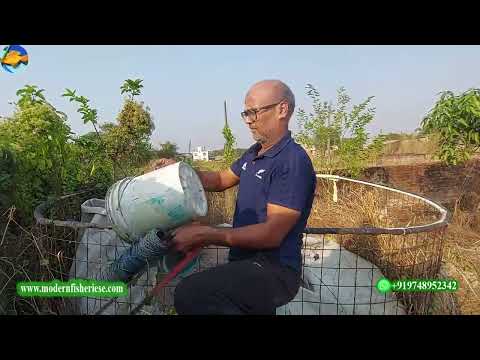
High-Tech Commercial RAS Recirculating System Tour & Setup
In-depth tour of a modern 50-ton indoor RAS system featuring biofilters, UV sterilizers, oxygen cones, and automated water monitoring.

DIY Automatic Drum Filter Construction for Indoor Fish Tanks
Step-by-step assembly of a 70-micron stainless mesh rotary drum filter to remove suspended solids automatically in RAS farms.

High Oxygen Dissolution with Venturi & Pure Oxygen Injection
Boosting dissolved oxygen levels above 8 mg/L using venturi injectors and oxygen generators for super-intensive fish culture.
Small Fish Farming - Start Smart, Earn More
Start smart, earn more. Essential small-scale fish farming guidelines, tank setups, feeding cycles, and economic overview for tilapia, catfish, biofloc, and RAS.
Protein Skimmer in RAS: Essential for Clean Water
Why a protein skimmer is essential in recirculating aquaculture systems (RAS). Understand how dissolved organic solids are removed to secure clean water and healthy fish.
Releasing Catfish into the Pond: Part 2
The second part of our stocking guide: releasing catfish into the earthen pond, acclimatization techniques, and initial feeding behavior.
Water Overflow Solutions for House/RAS Tanks
Detailed engineering and practical piping layout solutions to handle water overflow issues in backyard house tanks or RAS fish farming systems.
Buying Catfish for Rs. 900/- to Stock in Pond
Buying premium catfish seed for Rs. 900/- and transporting them to our farming pond. Tips on counting, health check, and density calculations.
Pond Aeration & Venturi Nozzle Setup Guide
How to assemble and install venturi aeration nozzles in earthen ponds and tank systems to boost dissolved oxygen efficiently.
Pond Water Treatment with Lime & Potassium Permanganate
Dosage calculations for agricultural lime (calcium carbonate) and potassium permanganate for water disinfection and pH stabilization.
High-Tech Commercial RAS Recirculating System Tour & Setup
In-depth tour of a modern 50-ton indoor RAS system featuring biofilters, UV sterilizers, oxygen cones, and automated water monitoring.
DIY Automatic Drum Filter Construction for Indoor Fish Tanks
Step-by-step assembly of a 70-micron stainless mesh rotary drum filter to remove suspended solids automatically in RAS farms.
High Oxygen Dissolution with Venturi & Pure Oxygen Injection
Boosting dissolved oxygen levels above 8 mg/L using venturi injectors and oxygen generators for super-intensive fish culture.